

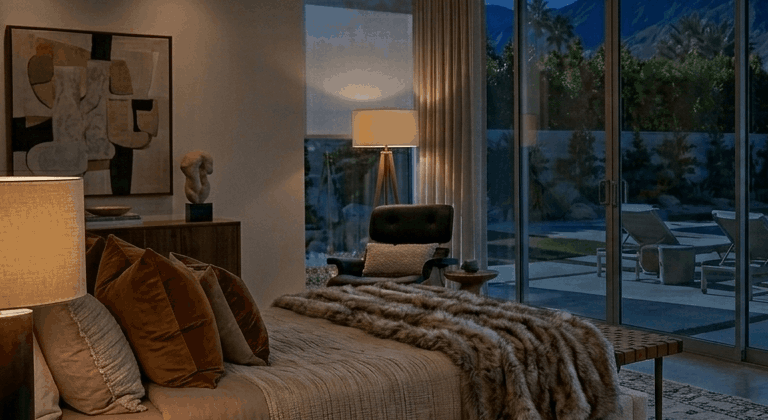
What is the golden rule of interior design?
Many homeowners ask, What is the golden rule of interior design? The answer is simple. Every roo
m should achieve balance, function, and visual harmony. Good design ensures that furniture, colors, lighting, and décor work together with purpose. A well-designed space feels comfortable and practical while remaining attractive. Professional designers use this rule to guide every decision they make. They consider how people move through a room and how each element supports daily life. This approach creates spaces that feel organized and welcoming. A Luxury Interior Designer in Palm Springs applies these principles to deliver elegant and functional interiors. As a result, homeowners enjoy spaces that look beautiful and serve their needs effectively.
The Common Regret Homeowners Experience
Many homeowners begin decorating without a clear plan. Consequently, they purchase furniture that does not fit the room properly. They often select colors that clash with existing features. Furthermore, poor lighting creates uncomfortable and impractical spaces. Some rooms become crowded because too many decorative items compete for attention. Other spaces feel empty because important design elements are missing. These mistakes often lead to frustration and unnecessary expenses. Homeowners frequently replace furniture and décor after realizing their choices do not work together. Therefore, understanding the golden rule before starting a project can prevent costly errors. A thoughtful design strategy creates a smoother and more satisfying experience.
Why Balance Matters in Every Interior Space
Balance forms the foundation of successful interior design. Every room requires a visual distribution of furniture, colors, and decorative elements. When one side of a room appears heavier than another, the space feels uncomfortable. Therefore, designers carefully arrange objects to create stability. Balance does not always mean perfect symmetry. Instead, it means creating a sense of order throughout the room. Different furniture sizes can still work together effectively. Likewise, contrasting textures can support visual harmony when used correctly. Balanced spaces feel calm and organized. This principle remains central when answering the question, What is the golden rule of interior design?
Function Must Always Lead Design Decisions
A beautiful room should also support daily activities. Therefore, functionality remains a critical part of the golden rule. Homeowners should consider how they use each space before making design decisions. For example, a family room requires comfortable seating and easy movement. Likewise, a home office needs proper lighting and practical furniture placement. Designers evaluate these requirements before selecting decorative elements. This process prevents unnecessary clutter and improves usability. Furthermore, functional spaces often appear more organized and attractive. A room that works well naturally feels more comfortable. As a result, function and beauty must always work together.
How Visual Harmony Creates Lasting Appeal
Visual harmony occurs when all design elements support a unified appearance. Colors, materials, furniture, and accessories should complement one another. Therefore, designers establish a clear design direction before making selections. Consistency helps create a polished and professional result. When every element shares a common purpose, the room feels complete. Furthermore, harmony reduces visual distractions and creates a relaxing environment. Many homeowners struggle because they combine too many unrelated styles. Consequently, their spaces feel disconnected and confusing. A Luxury Interior Designer in Palm Spring focuses on harmony to ensure every room achieves a refined appearance.
CTA: Transform Your Home Before Mistakes Become Expensive
Many homeowners delay professional guidance until problems appear. However, waiting often increases costs and extends project timelines. Instead, seek expert advice before making major purchases. Professional planning helps avoid design errors that require expensive corrections. Besides improving aesthetics, expert guidance protects your investment. Additionally, designers identify opportunities homeowners may overlook. If you want a space that feels balanced and functional, now is the time to act. Do not settle for rooms that feel unfinished or uncomfortable. Contact experienced professionals and start building a clear design strategy today. Taking action early creates better results and greater satisfaction.
The Importance of Scale and Proportion
Scale and proportion influence how comfortable a room feels. Large furniture can overwhelm a small space. Likewise, small pieces may look insignificant in a large room. Therefore, designers carefully evaluate room dimensions before selecting furnishings. Proper scale creates visual balance and improves movement throughout the space. Furthermore, proportion helps different elements relate to one another effectively. When sizes work together, rooms appear organized and intentional. Homeowners often underestimate the importance of these relationships. Consequently, spaces may feel awkward despite having attractive furniture. Understanding scale and proportion supports the golden rule of interior design.
Using Color to Support Interior Balance
Color strongly influences mood and visual perception. Therefore, designers use color strategically to create harmony. Neutral tones often provide a stable foundation for interior spaces. Accent colors then add personality and visual interest. Furthermore, color can influence how large or small a room appears. Light shades often create a more open feeling. Darker tones can add depth and sophistication. However, excessive color variation may create visual confusion. Therefore, a clear color strategy remains essential. A professional Interior Designer understands how color supports balance and functionality.
Table 1: Design Elements and Their Purpose
| Design Element | Primary Purpose |
|---|---|
| Balance | Creates stability |
| Function | Supports daily activities |
| Color | Influences mood |
| Lighting | Improves usability |
| Scale | Maintains comfort |
| Texture | Adds visual interest |
Lighting as a Key Design Component
Lighting affects both appearance and functionality. Therefore, designers consider multiple light sources within each room. Natural light often serves as the starting point. Designers then add task lighting and ambient lighting as needed. This layered approach improves flexibility and comfort. Furthermore, proper lighting highlights architectural features and décor. Poor lighting can diminish even the most attractive interiors. Consequently, lighting decisions deserve careful attention. Homeowners frequently focus on furniture while overlooking lighting needs. However, effective lighting contributes significantly to successful design outcomes.
Texture Adds Depth Without Creating Clutter
Texture introduces visual interest while maintaining harmony. Different materials create subtle variation within a room. For example, wood, fabric, stone, and metal each contribute unique qualities. Designers combine textures to prevent spaces from feeling flat. However, they maintain restraint to preserve balance. Excessive texture can create visual distraction. Therefore, thoughtful selection remains important. Texture enhances comfort while supporting the overall design concept. It also helps rooms feel more complete and inviting. As a result, texture plays an important role in achieving successful interiors.
Creating Focal Points That Guide Attention
Every room benefits from a clear focal point. A focal point provides visual direction and creates structure. Examples include fireplaces, statement artwork, or large windows. Designers arrange surrounding elements to support this feature. Consequently, the room feels organized and intentional. Without a focal point, spaces often appear scattered. Homeowners may struggle to determine where attention should naturally rest. Therefore, focal points contribute significantly to visual harmony. They also help simplify design decisions. This principle supports the broader goal of balance and functionality.
Why Professional Planning Produces Better Results
Professional planning reduces uncertainty throughout the design process. Designers create structured plans before implementation begins. Therefore, homeowners gain clarity regarding furniture placement, colors, and materials. This approach minimizes costly revisions and delays. Furthermore, planning helps maintain consistency across different rooms. Every decision supports the overall vision. Many successful projects begin with detailed preparation. Consequently, planning remains one of the most valuable aspects of professional design services. A Luxury Interior Designer in Palm Spring uses strategic planning to deliver exceptional results.
How Interior Design Impacts Property Value
Well-designed interiors often increase perceived property value. Buyers appreciate homes that feel organized and attractive. Furthermore, balanced spaces photograph better during marketing efforts. Quality design also improves everyday living experiences. Consequently, homeowners benefit both immediately and long term. Functional layouts appeal to a broad audience. Likewise, timeless design choices maintain relevance over time. While trends change, good design principles remain consistent. Therefore, investing in professional design often delivers lasting value. Strong interiors support both personal enjoyment and future opportunities.
Table 2: Common Mistakes vs Better Design Choices
| Common Mistake | Better Choice |
|---|---|
| Oversized furniture | Properly scaled furniture |
| Excessive décor | Curated accessories |
| Poor lighting | Layered lighting |
| Random colors | Coordinated palette |
| No focal point | Defined focal point |
Invest in Expert Design Guidance Today
If your home lacks balance or functionality, take action now. Every delayed decision can increase future costs. Besides enhancing comfort, professional design improves long-term value. Additionally, expert planning prevents expensive mistakes before they occur. Homeowners often spend more correcting errors than planning properly. Therefore, investing in professional guidance makes financial sense. Shelby Design Group helps clients create spaces that combine beauty and practicality. Do not continue living with rooms that fail to meet your expectations. Contact experienced professionals today and begin transforming your environment. The right design strategy delivers benefits for years.
The Role of Personal Style Within the Golden Rule
Personal style remains important in every design project. However, style should support balance and functionality. Therefore, designers incorporate individual preferences within a structured framework. This approach ensures rooms feel unique without becoming chaotic. Homeowners can express personality through colors, artwork, and furnishings. Meanwhile, core design principles maintain harmony throughout the space. As a result, interiors feel both personal and organized. Successful design balances creativity with practical considerations. This combination produces spaces that remain enjoyable over time. Personal expression works best when guided by sound design principles.
Why Trends Should Never Replace Fundamentals
Design trends often attract attention because they feel fresh and exciting. However, trends change regularly. Therefore, homeowners should prioritize timeless principles before following popular styles. Balance, functionality, and harmony remain effective regardless of current preferences. Trend-focused spaces may feel outdated within a few years. In contrast, well-designed interiors maintain their appeal longer. Designers often use trends selectively rather than extensively. This strategy preserves flexibility while keeping spaces current. Consequently, homeowners enjoy lasting satisfaction. Strong fundamentals always provide a more reliable foundation.
Answering What is the Golden Rule of Interior Design?
After exploring every major principle, the answer becomes clear. What is the golden rule of interior design? The golden rule is creating balance between beauty and function. Every design decision should support comfort, usability, and visual harmony. Furniture, colors, lighting, and décor must work together purposefully. Furthermore, each room should reflect the needs of its occupants. A Luxury Interior Designer in Palm Spring applies these principles consistently across projects. Consequently, homeowners achieve spaces that feel complete and welcoming. Whether renovating one room or an entire home, this rule remains essential. Following it leads to more successful and satisfying results.
Conclusion
The question, What is the golden rule of interior design, has a straightforward answer. Successful interiors combine balance, functionality, and harmony. These principles guide every design decision from planning to completion. Homeowners who understand this concept avoid common mistakes and unnecessary expenses. Furthermore, they create spaces that support daily life effectively. Professional designers use these principles to achieve consistent results. Shelby Design Group helps homeowners apply these ideas with confidence and precision. Whether your project is large or small, the golden rule remains the same. Create balance between beauty and purpose. Doing so will help you enjoy a more comfortable and attractive home.
Frequently Asked Questions
1. What is the golden rule of interior design?
The golden rule is creating balance between functionality, comfort, and visual harmony.
2. Why is balance important in interior design?
Balance creates stability and helps rooms feel comfortable and organized.
3. Can a room be beautiful and functional at the same time?
Yes, successful interior design combines aesthetics with practical usability.
4. How does color affect interior design?
Color influences mood, visual balance, and the overall atmosphere of a room.
5. What role does lighting play in design?
Lighting improves functionality, comfort, and the appearance of interior spaces.
6. Why is scale important when choosing furniture?
Proper scale ensures furniture fits comfortably within a room.
7. Should homeowners follow design trends?
Trends can be useful, but timeless principles should always come first.
8. What is a focal point in a room?
A focal point is the main visual feature that attracts attention.
9. How can professional designers help homeowners?
They provide planning, guidance, and solutions that improve project outcomes.
10. How often should the golden rule be applied?
It should guide every design decision throughout the entire project.